Perspectives

This digital archive includes articles from Woodstock’s Quarterly Market Perspectives (QMP) along with additional commentary and analysis from the Woodstock team.

To our Clients: First and foremost, we at Woodstock hope you and your family are healthy and safe at home. The Covid-19 pandemic has brought new challenges to many of us. In these uncertain times, our thoughts and sympathies go out to all of those whose lives have been impacted. We are particularly grateful for all the brave men and women who are working on the front lines facing the disease directly.
Our Winter 2020 Quarterly Newsletter was written before Covid-19 became a major issue for the market. We realize market conditions have changed since we wrote the articles, but the sound principles of long-term investing have not changed. Regardless of market conditions, we believe our clients are best served by holding a portfolio of high-quality stocks for the long-term.
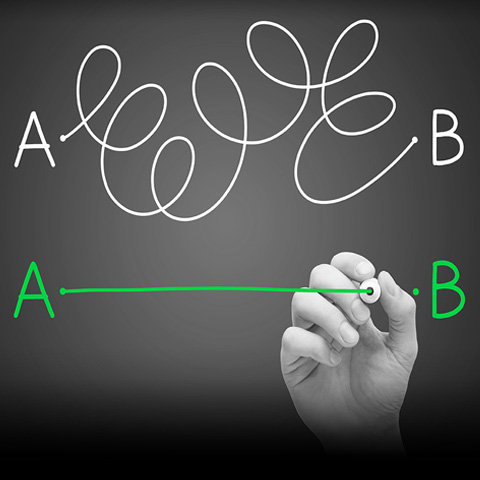
One of the great desktop admonitions is “eschew obfuscation”.  We interpret that to be a message both to cut needless or unhelpful complexity and to keep it simple.  In that spirit, a recent address caught our eye.  As described in a December 2019 address by the director of the division of investment management at the SEC[1], the regulatory battlefield includes, as general categories, let alone specific sub-groups: finalized rulings, proposed rulings, exemptive orders, and outreach initiatives. 
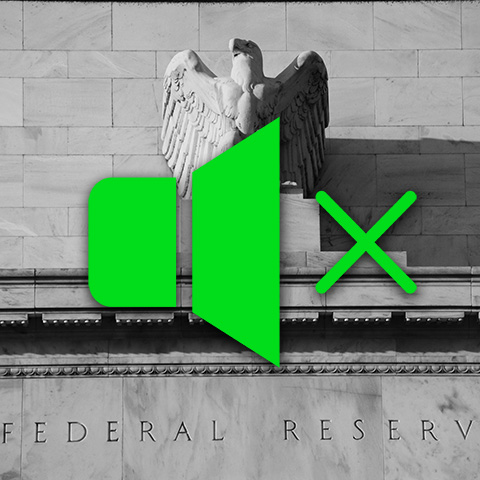
The S&P 500 Index returned 31.5% in 2019, its best year since 2013, whereas the FTSE All-World Index returned 27.2%, its best year since 2009. The market began 2019 beset by concerns the Fed was tightening monetary policy too aggressively, anticipating additional rate hikes. As the Fed leaned towards incrementally easier policy throughout the year, ultimately cutting interest rates three times, the market went on to make new highs. All eleven sectors of the S&P 500 generated double digit returns, and almost every asset class did well.
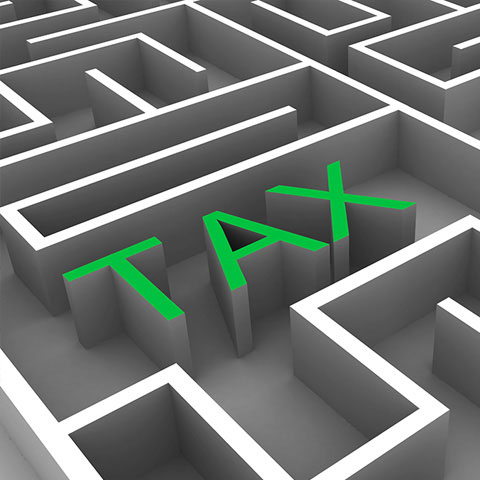
Tax Cuts and Growth  Although the day that all a taxpayer’s owed taxes have to be paid in is still April 15th every year, the “tax season” doesn’t end until the extension deadline around October 15th.  The calendar year end brings the start of a new tax season although actually filing returns won’t start until February 1st.  What state is the Internal Revenue Service (IRS) in? 
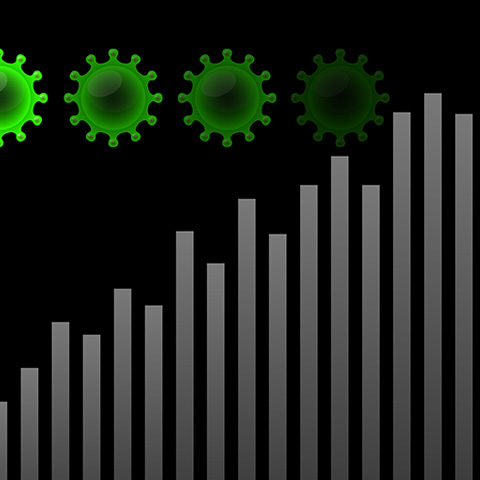
We are all concerned about how the Covid-19 coronavirus will impact us. In addition to the costs of human life and suffering, it is having an economic impact. As one would expect, the stock market reflects this – the S&P 500 is down about 12% from its all-time highs reached just nine days ago on February 19th. The index has still returned about 9% over the past twelve months. The virus is most scary now because it continues to spread geographically, and no one knows how it will play out.
While airplanes themselves and the flight systems that the airlines use to ferry us around the country and around the world are some of the most complicated systems humans have devised, perhaps there are lessons we can learn in dealing with other less complicated systems from their travails.  One commentator on Boeing’s maneuvering control system failure simply states that manufacturers and regulators need to recognize that “many current pilots are simply not up to the standard necessary to operate current systems”.[1] 
Investors like data and particularly the predictability of data. In fundamental investment analysis, company and economic data are the signal that is useful for modeling future expected economic growth rates, revenue, earnings, cash flows, etc. We use these to determine future values that can be discounted back to a fair value today. This helps us decide if something is currently cheap or expensive relative to future expectations, and importantly, what are we buying, holding or selling for our clients’ portfolios. Unplanned economic and political events can affect our economic decision making but they are mostly noise around a signal.
Wealth Taxes Are in the News How does someone get a feel for our tax system?  In business, running your own, smaller business is probably good preparation for running a larger one.  A senior executive of a large firm who was pushed out to make way for another manager, started and ran his own firm before being hired back to run the larger firm.

We use cookies to analyze traffic and enable video content (Google Analytics and Vimeo). By continuing to use this site, you agree to our use of cookies. See our Privacy Policy for details.